

Canopy Thinning
What is Canopy Thinning?
Canopy thinning is a selective pruning method that reduces excess branch density throughout a tree’s crown. By carefully removing specific interior branches, this service improves airflow and allows more sunlight to reach the inner canopy without changing the tree’s natural shape.
For homeowners, canopy thinning helps trees handle wind, snow, and storms more effectively while promoting healthier, more balanced growth. When done correctly, it reduces stress on heavy limbs and improves overall tree performance without making the tree look over-pruned.
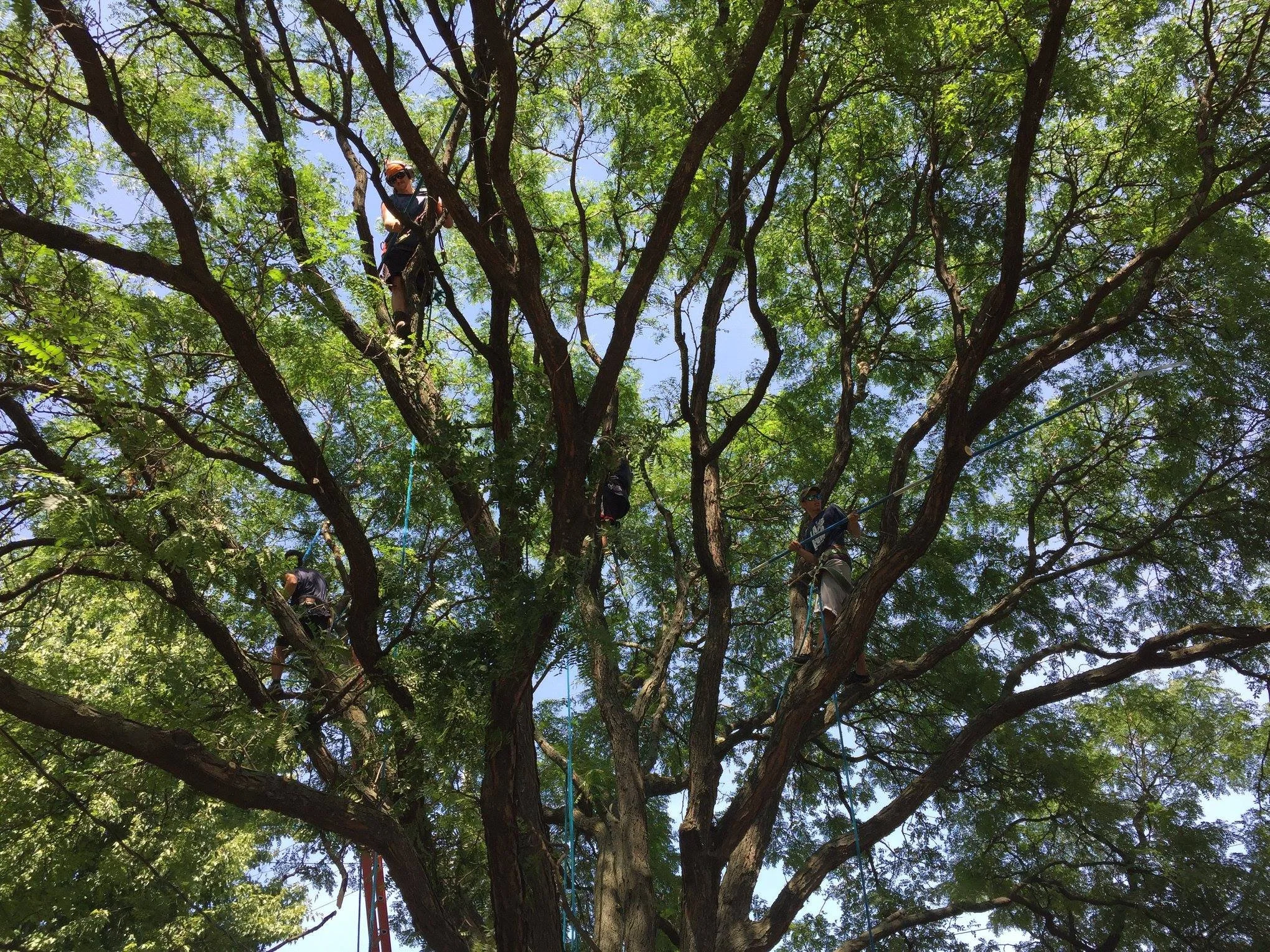
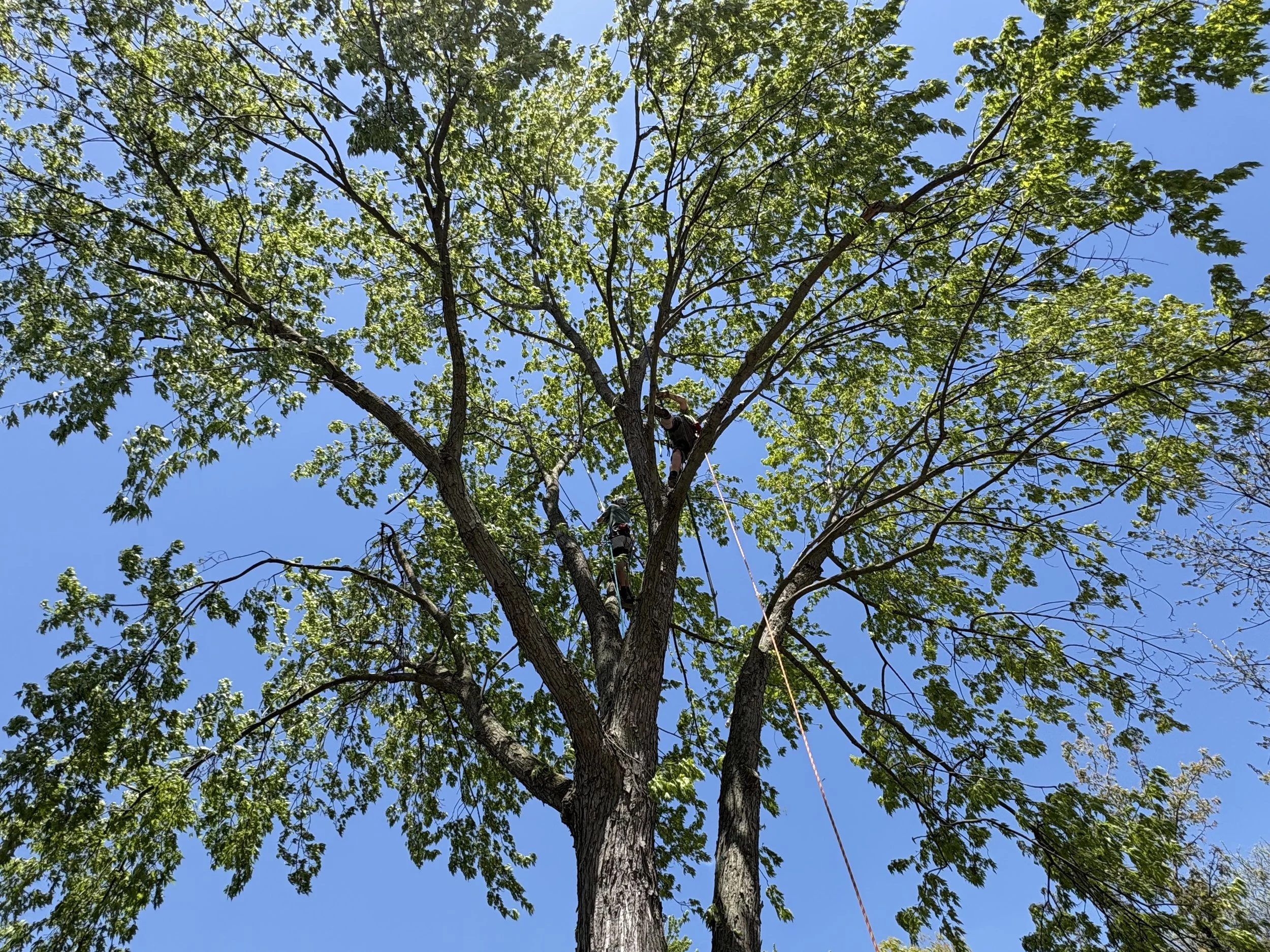
Benefits of Canopy Thinning
Improves airflow and sunlight penetration throughout the canopy
Reduces wind resistance and storm-related damage
Supports healthier growth by relieving excess weight on limbs
Strengthens the stronger central leader of the tree
How Do I Know If My Tree Needs Canopy Thinning?
One of the most common signs is excessive shade beneath the tree, often causing grass or plants below to struggle due to limited sunlight. Trees with dense, crowded branches or little light reaching the interior may also benefit from thinning. You may also notice frequent limb loss during storms, heavy upper growth, or branches that rub against each other.
If you’re unsure, our arborists can assess your tree and recommend the right level of thinning to improve health, safety, and long-term structure.
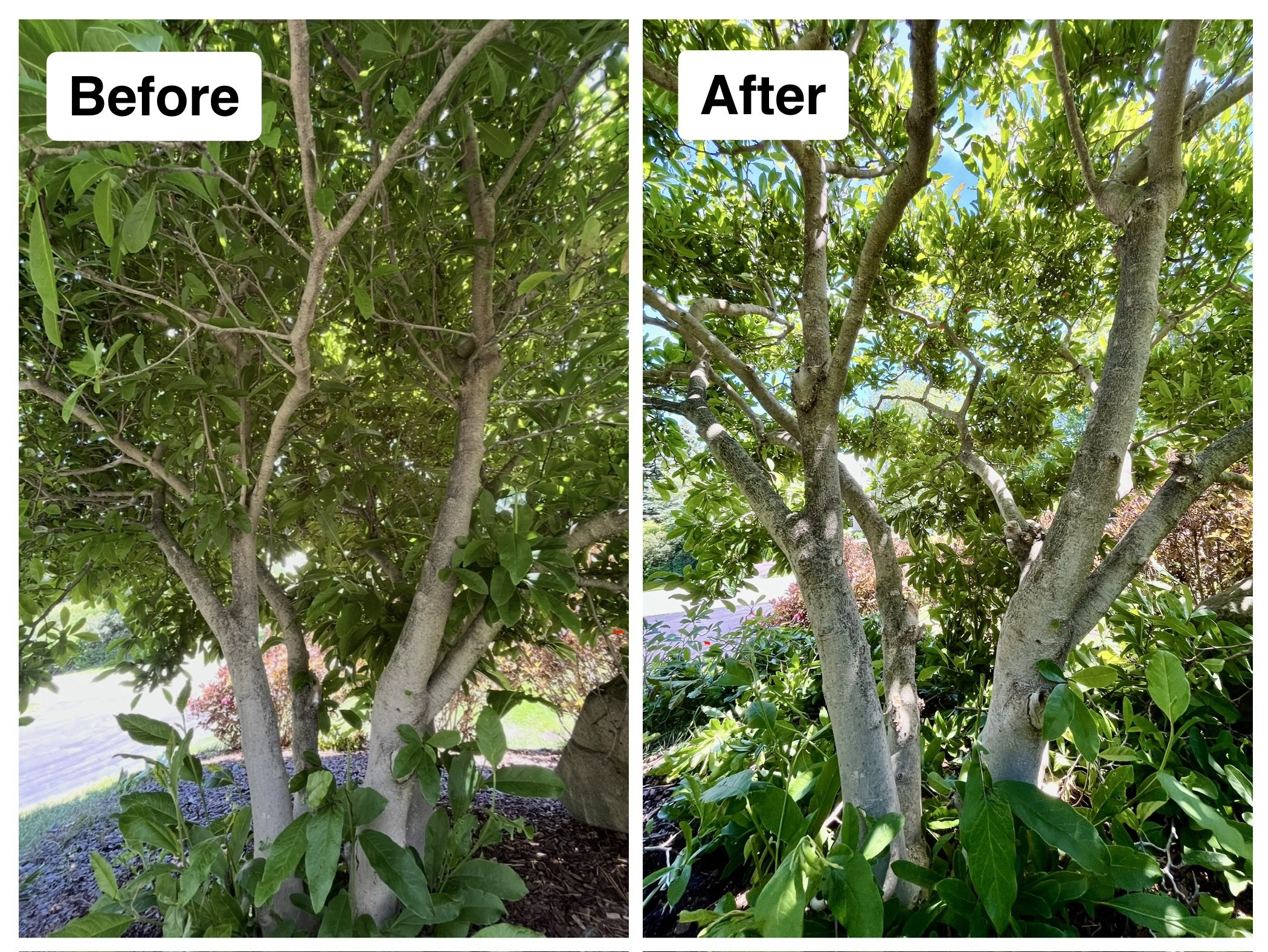
This beautiful star magnolia had become dense and overgrown, limiting light penetration and airflow throughout the canopy. We carefully thinned select interior branches to reduce congestion while preserving the tree’s natural shape and character.
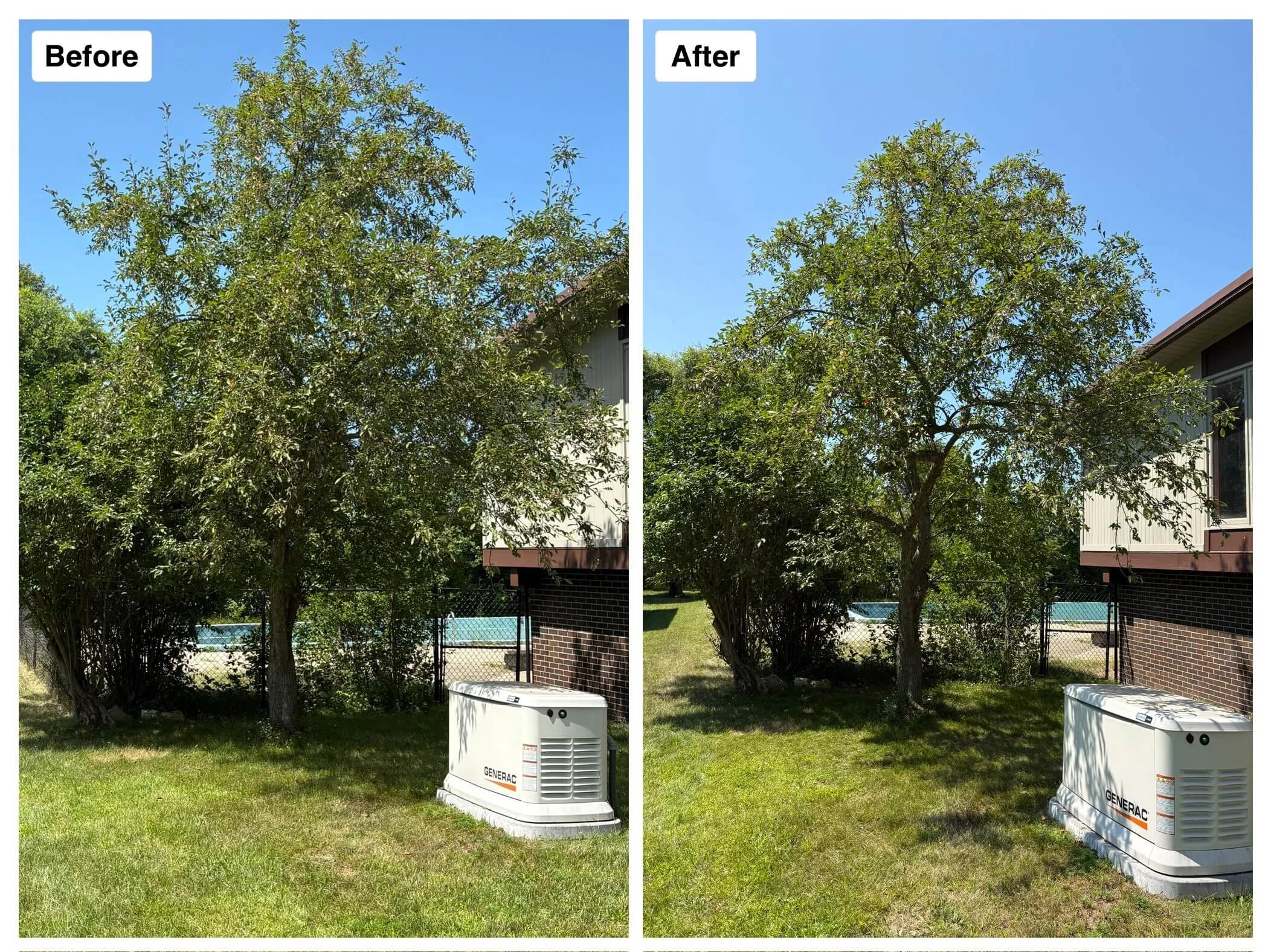
Here is a Crabapple tree we recently thinned out to help the plant remain healthy.
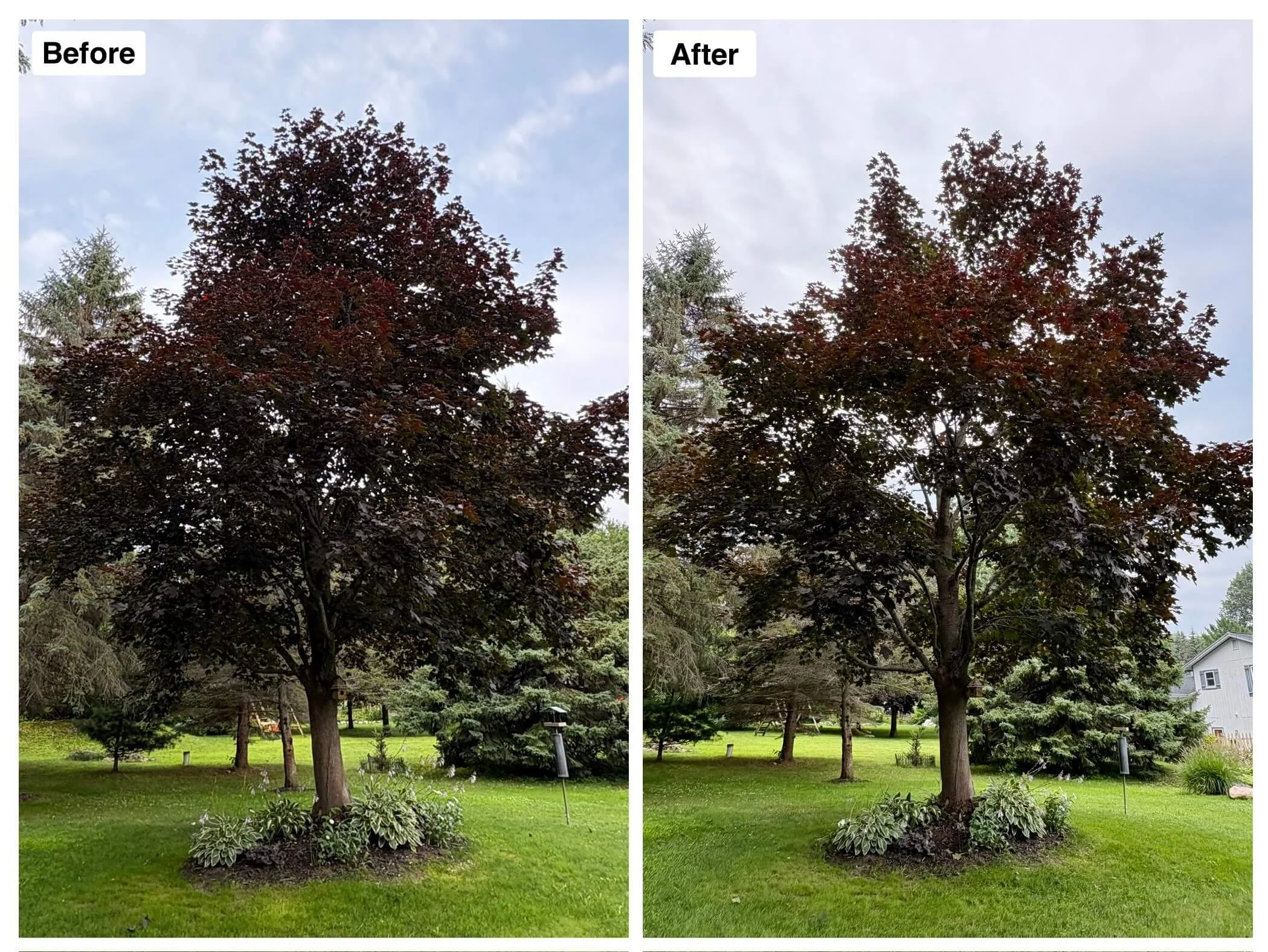
This Crimson Maple was given a moderate canopy thinning to help increase air circulation throughout the canopy.
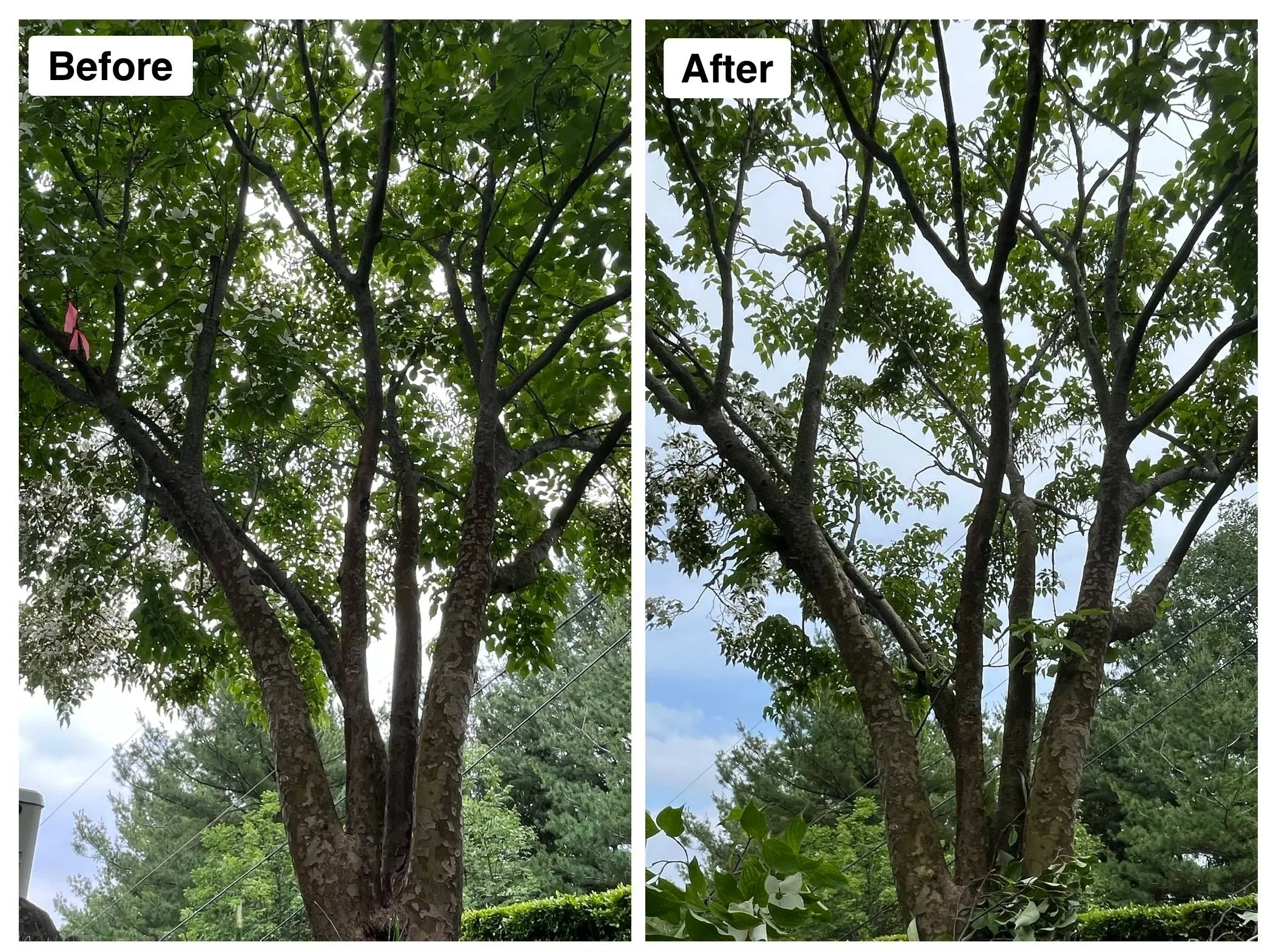
Dogwoods like this benefit from selective canopy thinning to improve airflow, increase sunlight penetration, reduce disease risk, and promote long-term tree health.
